
Welcome to A Holistic Approach - AHA! INC
A Hidden Haven of Tranquility
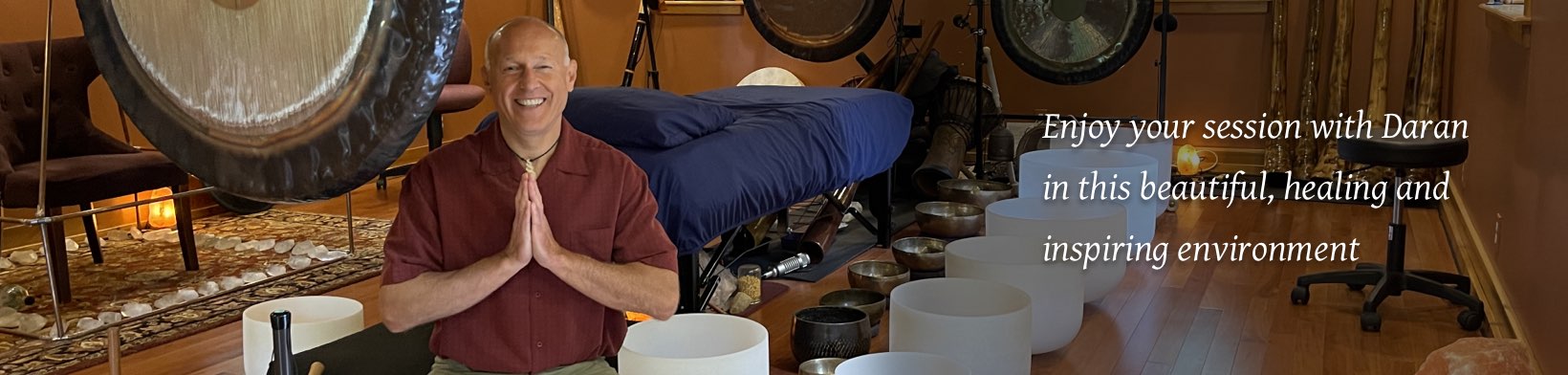
Welcome to A Holistic Approach Healing Center—an oasis where you can relax, restore, and realign with your true essence. Our sacred space is designed to support deep healing and renewal, nurturing your body, mind, and spirit.
We offer a diverse range of therapeutic services, including:
- Massage therapy
- Sound therapy and sound baths
- Energy healing
- Counseling and life coaching
- Shamanic healing
- Breathwork
- Yoga
- Hypnotherapy and past life regression
- Didgeridoo lessons
Whether you seek relief, transformation, or a deeper connection to yourself, we are here to guide you on your healing journey.
We look forward to seeing you soon.
Daran & Edie
Classes and Events
We offer classes, private group sound bath healing meditation events, and public sound healing concerts to support relaxation, transformation, and inner harmony.
Daran also provides didgeridoo lessons, integrating breathwork, mindful expression, and meditation. This ancient instrument is not only a powerful tool for self-discovery but also highly effective in alleviating sleep apnea and improving overall respiratory health.
For more details about our classes, events, and personalized offerings, please reach out—we’d love to connect and help you find the perfect experience for your journey.